
Leadership Begins With Responsibility
Two schools. Two conversations. One important question: what does it really mean to lead?
Beyond the badge.
The prefects at Poseidon Primary School and Saint George Primary School had already been entrusted with leadership roles within their schools. But carrying a badge or being given a title is only the beginning.
During separate engagements with the prefects, The Lighthouse Foundation opened conversations about what leadership looks like when it becomes more than a position — when it becomes responsibility.
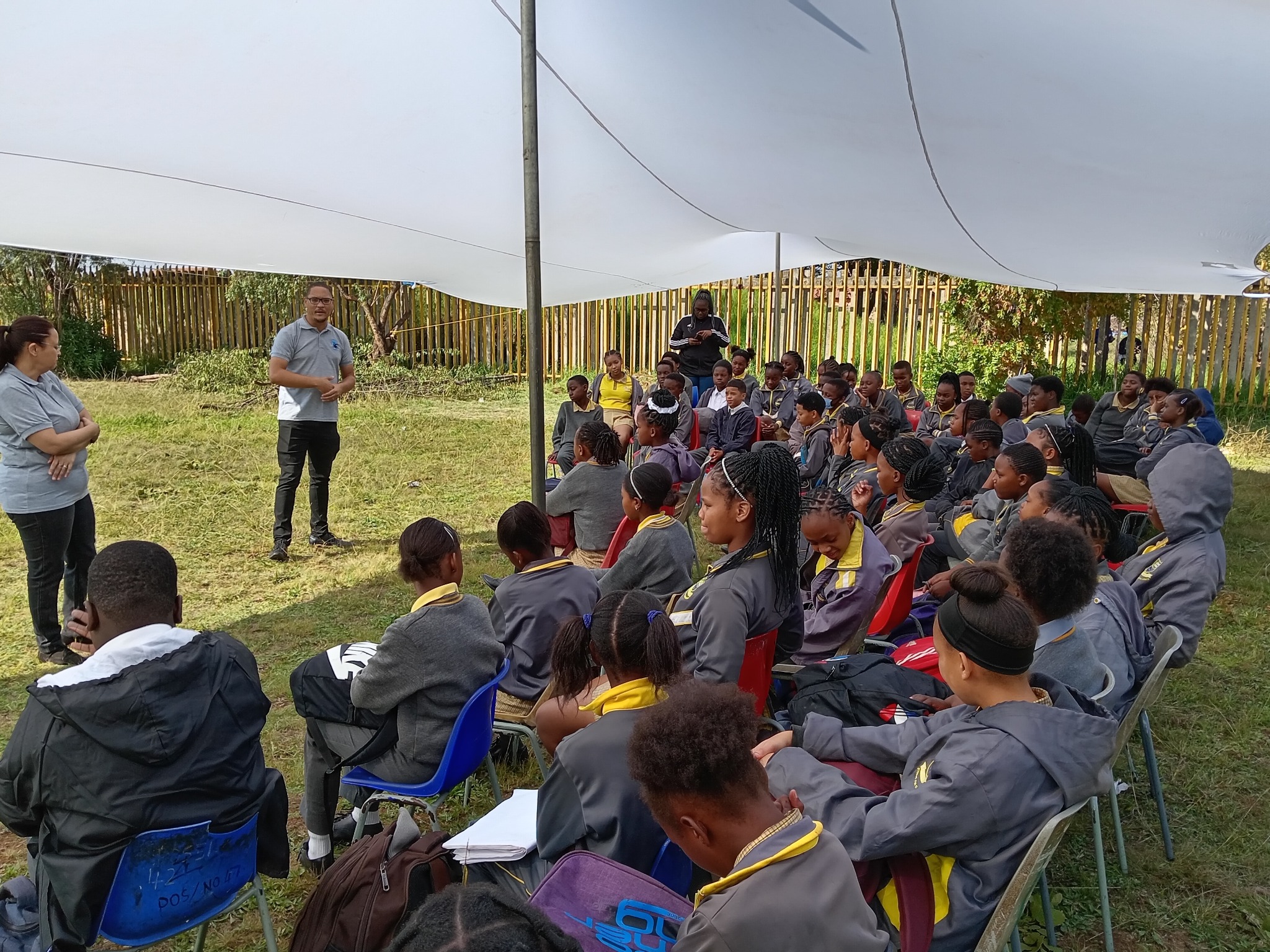
From talking about leadership to asking how to lead.
The discussions explored leadership, accountability, mentorship, thought leadership and conflict resolution. Rather than simply telling learners what a leader should be, the conversations encouraged them to think about situations they encounter in their own school environment and the choices they make when those situations become difficult.
The learners engaged actively. Hands went up. Questions were asked about dealing with difficult learners, resolving conflict, influencing others and becoming better leaders. Their questions moved the engagement beyond theory and toward the practical realities of leadership.
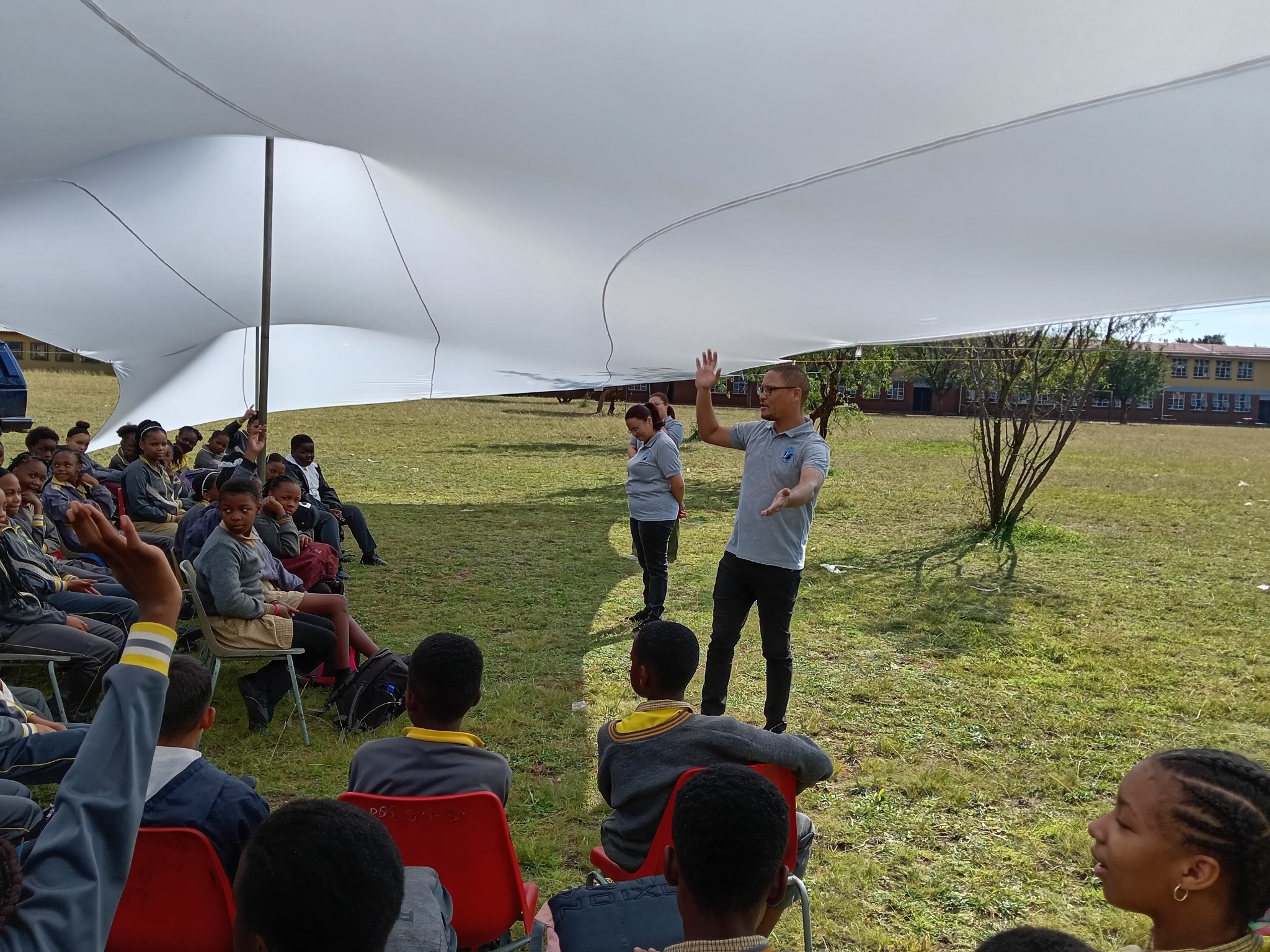
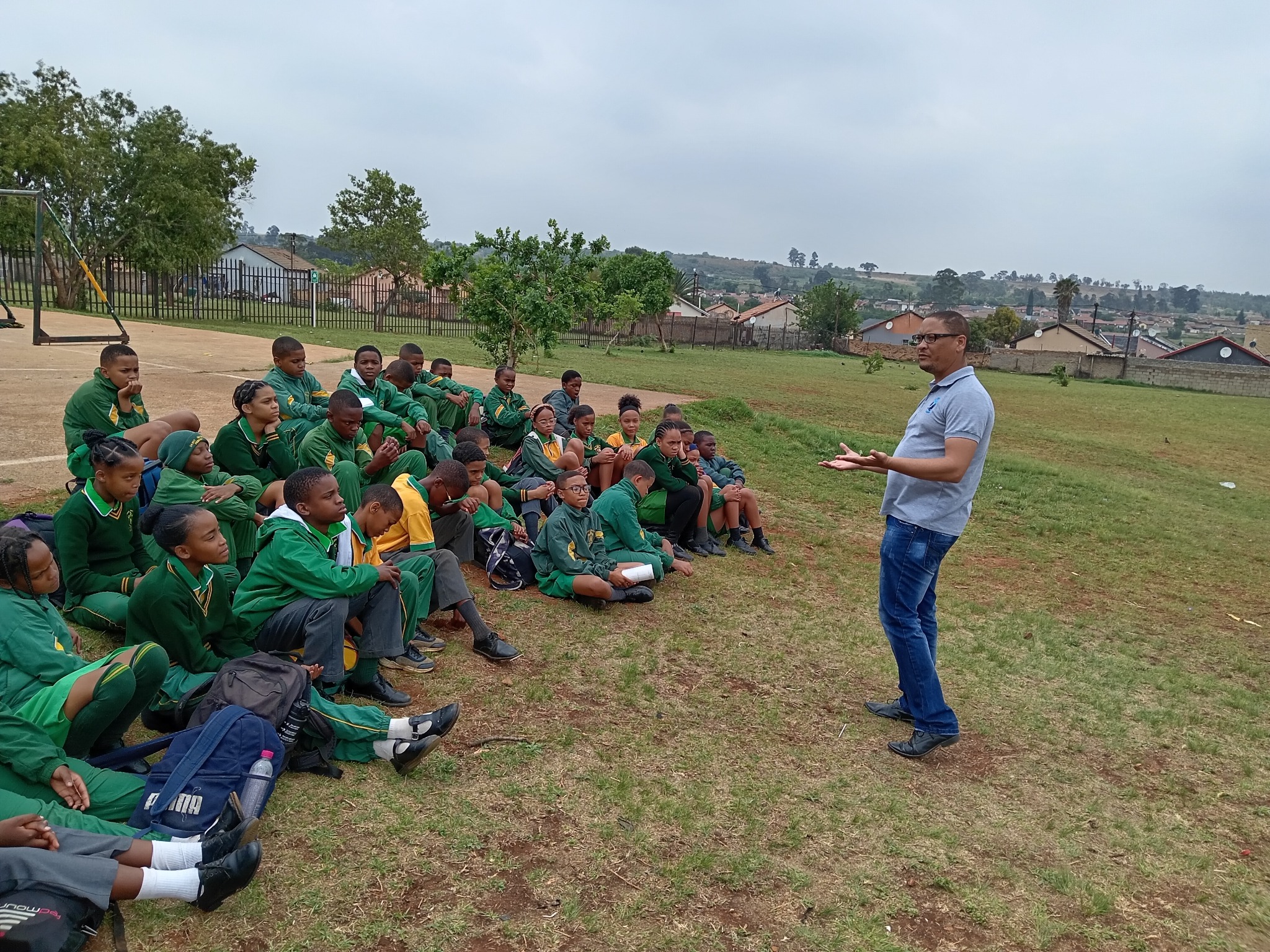
Responsibility, influence and choice.
Being chosen as a prefect gives a learner a position. What they do with that position begins to shape the leader they become.
Leadership can mean listening before reacting. It can mean taking responsibility when something goes wrong. It can mean helping to resolve conflict rather than adding to it. It can mean setting an example when following the crowd would be easier.
And sometimes leadership begins with having the courage to ask: “How do I handle this better?”
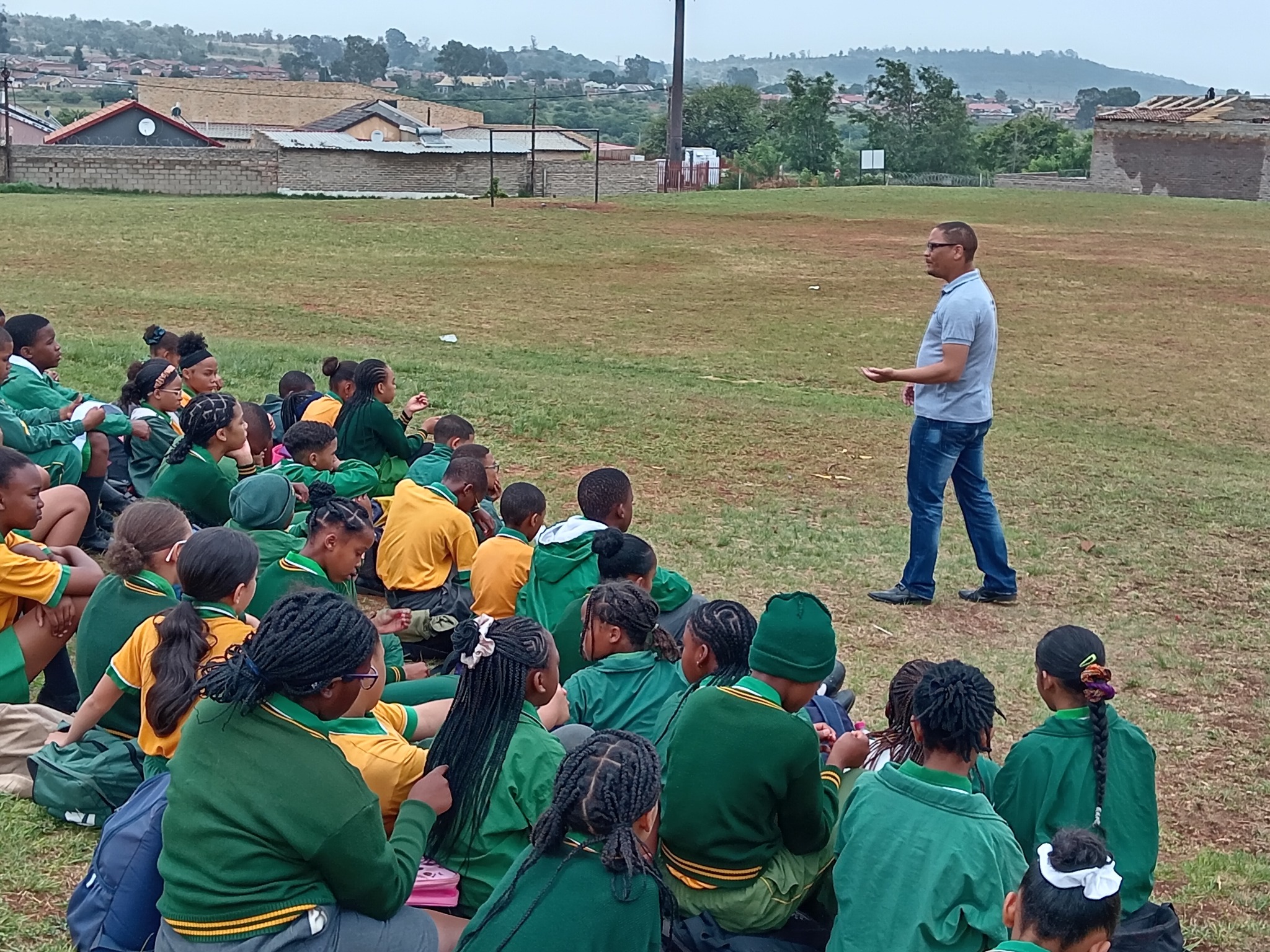
Why these conversations matter.
Young people do not suddenly become leaders when they enter adulthood. Long before that, they are already influencing classmates, friends, siblings and the environments around them.
Creating opportunities for young people to think about leadership early gives them space to explore not only how to lead others, but also how to lead themselves — through their thinking, choices, behaviour and response to difficult situations.
For The Lighthouse Foundation, mentorship is not about providing young people with all the answers. It is about creating conversations where questions can be asked, experiences can be explored and young people can begin discovering the kind of leaders they want to become.
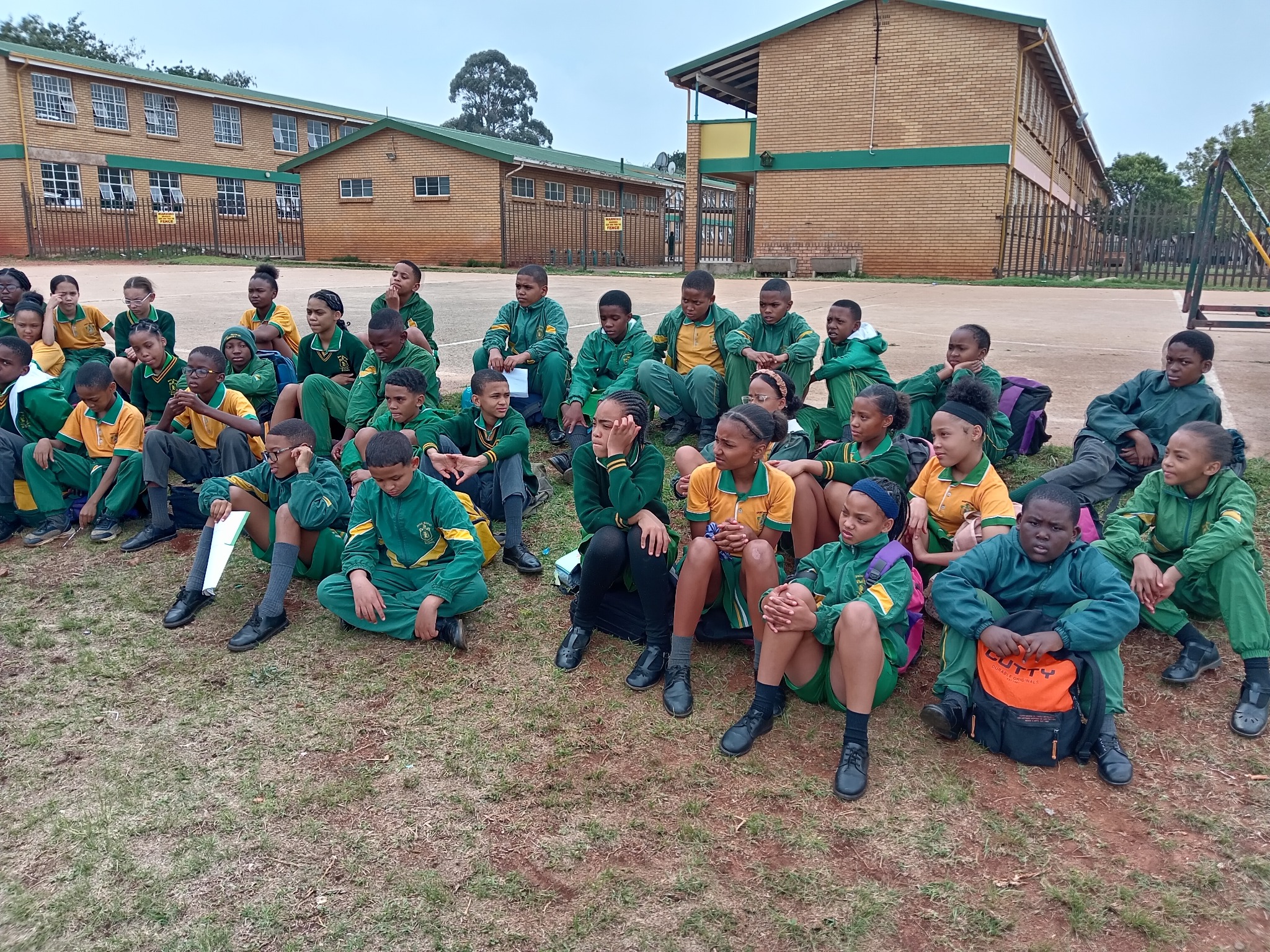
These engagements were conversations — not claims that transformation happened in a single day. But the questions, participation and willingness of the learners to engage showed something worth building upon: they wanted to learn more.
And sometimes that is exactly where mentorship begins.
Leadership begins with responsibility.
Growth begins with the willingness to learn.
Think • Believe • Become.